Featured projects
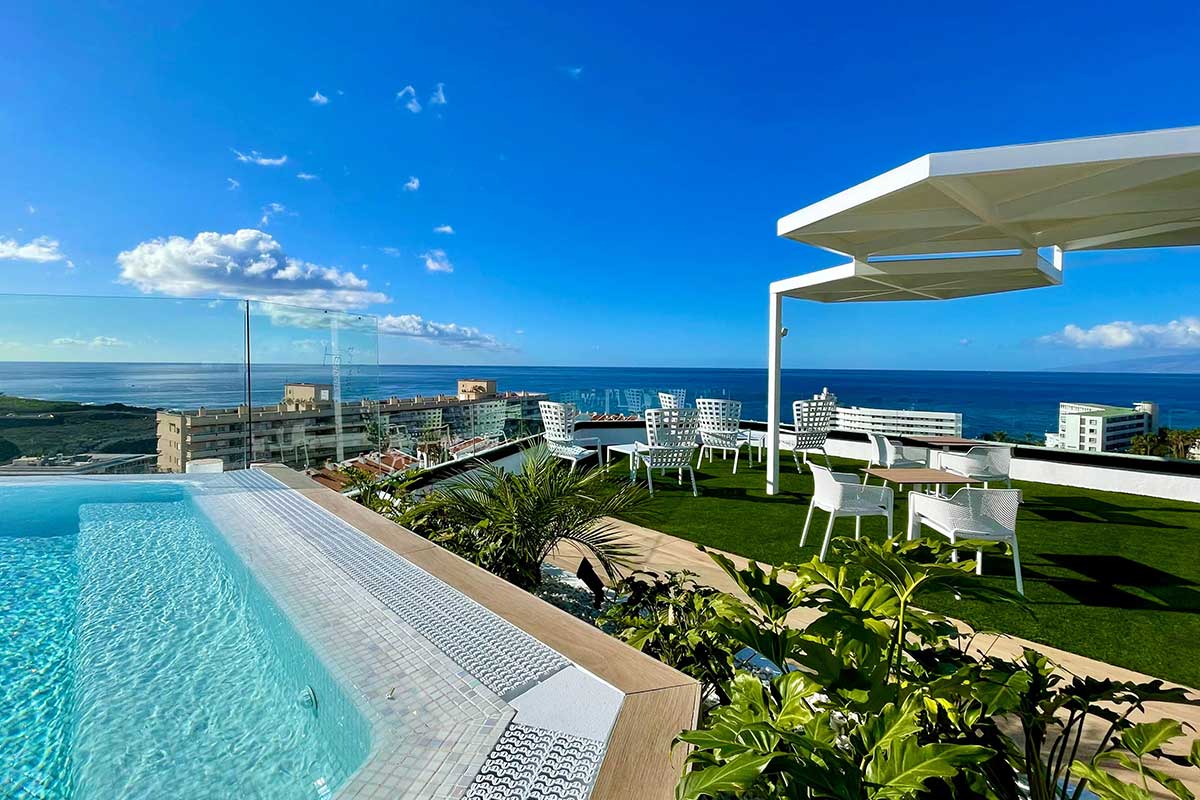
Spanish hotel chain: Sustainable Strategic Management
✎ The project
Integral development and implementation of the Sustainable Strategic Management Model for Canarian Hospitality, aimed at integrating sustainability in all key areas of the organization and strengthening its corporate leadership and positioning as a sustainable and responsible brand in the tourism sector.
✔ Results.
The process included a participatory diagnosis, interviews with management teams, co-creation workshops with a multi-stakeholder approach and a Value Chain perspective. A customized strategic model was designed with clear lines of action, integrating sustainability as a competitive advantage. The final proposal incorporated an implementation roadmap in its hotel brands Mynd Hotels and Sholeo Lodges, as well as monitoring mechanisms, policies adapted to the company’s purpose and internal governance tools to facilitate its adoption. The entire model was designed in coherence with the principles of the 2030 Agenda and aligned with the United Nations Sustainable Development Goals (SDGs), reinforcing the hotel chain’s commitment to triple positive impact.
01. Sustainable and competitive strategic management
European Business Network: Sustainability training workshops for executives and multi-sectoral entrepreneurs
✎ The project
Design and facilitation of introductory and thematic workshops for companies from different productive sectors within the framework of the Enterprise Europe Network (EEN). The main objective was to support various companies in the incorporation of sustainability criteria in their strategies and business models, facilitating the exchange of best practices and capacity building.
✔ Results.
Participatory and formative sessions were held to provide practical tools for integrating sustainability into decision making and daily operations. These activities boosted corporate commitment to sustainable development and strengthened responsible transformation in various sectors, generating positive environmental and social impact and improving the competitiveness of the organizations involved.
01. Sustainable and competitive strategic management

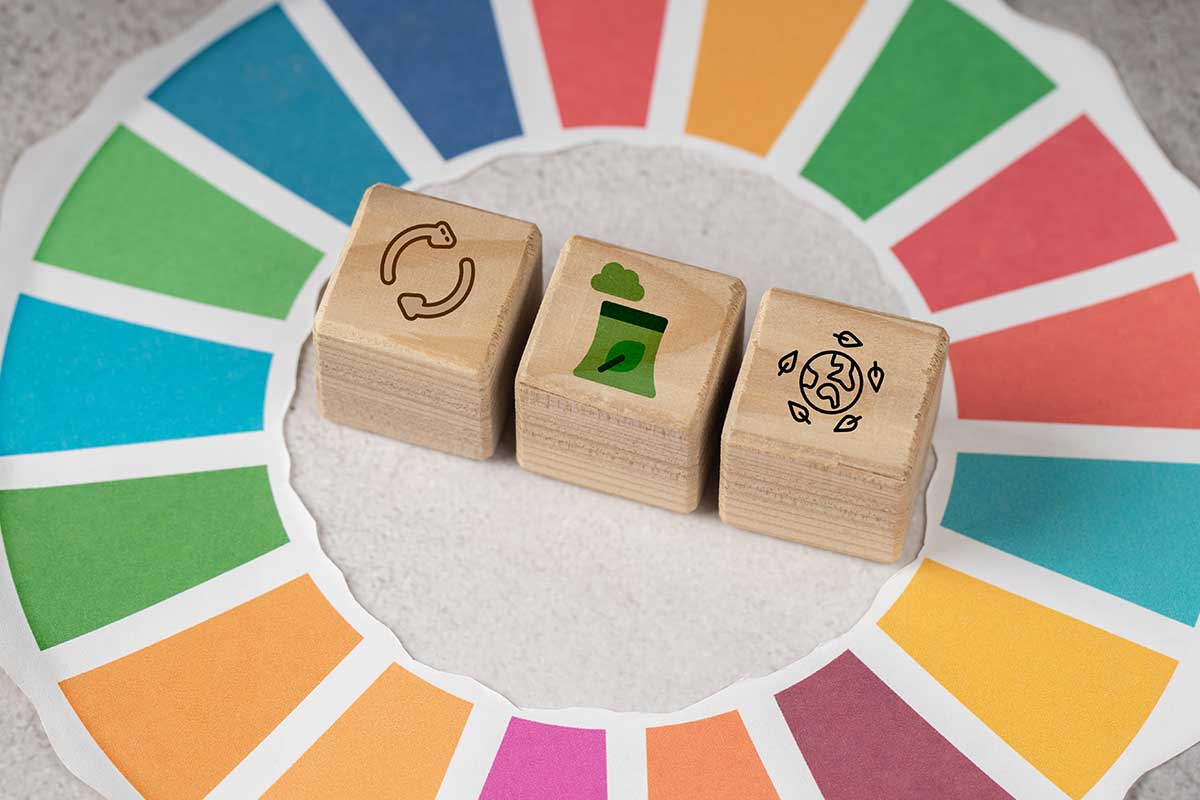
European TURISME project: Training for leaders and entrepreneurs of European tourism SMEs
✎ The project
Led by the Instituto Tecnológico de Canarias (ITC) and financed by the European Union, the European “Turisme” project focused on the participatory accompaniment of previously selected European tourism SMEs to move towards sustainable management models. The project promoted innovation in sustainability in the tourism sector.
✔ Results.
A training cycle of five participatory workshops was designed and delivered, where specific training actions were carried out for leaders to strengthen their capacities to integrate sustainability into their business models, from a practical perspective and aligned with European standards and the 2030 Agenda. The work included the adaptation of strategic tools, the diagnosis of needs and personalized guidance, encouraging the transition towards responsible and competitive practices aligned with the Sustainable Development Goals.
01. Sustainable and competitive strategic management
Sustainable urban hotel: Conceptualization and design of hotel proposal based on sustainability
✎ The project
Integral definition of the concept, services and attributes of the midscale hotel “ArteSan”, urban accommodation conceived from its origin under sustainability criteria, both in the rehabilitation of the building and in its management. The project covered from the initial idea to the design of the hotel product, with a vision focused on the connection with the environment, the guest experience and differentiation in the market.
✔ Results.
An original hotel proposal was developed that combines comfort, authenticity and respect for the urban environment and the local community. The conceptualization included the design of services adapted to a conscious client profile, the definition of the brand story and the user experience. The approach emphasized the value of local materials, suppliers, art, culture and environmental impact, and articulated a carefully designed offer, with the intention of making it a benchmark in its category for its commitment to sustainable and competitive management.
01. Sustainable and competitive strategic management
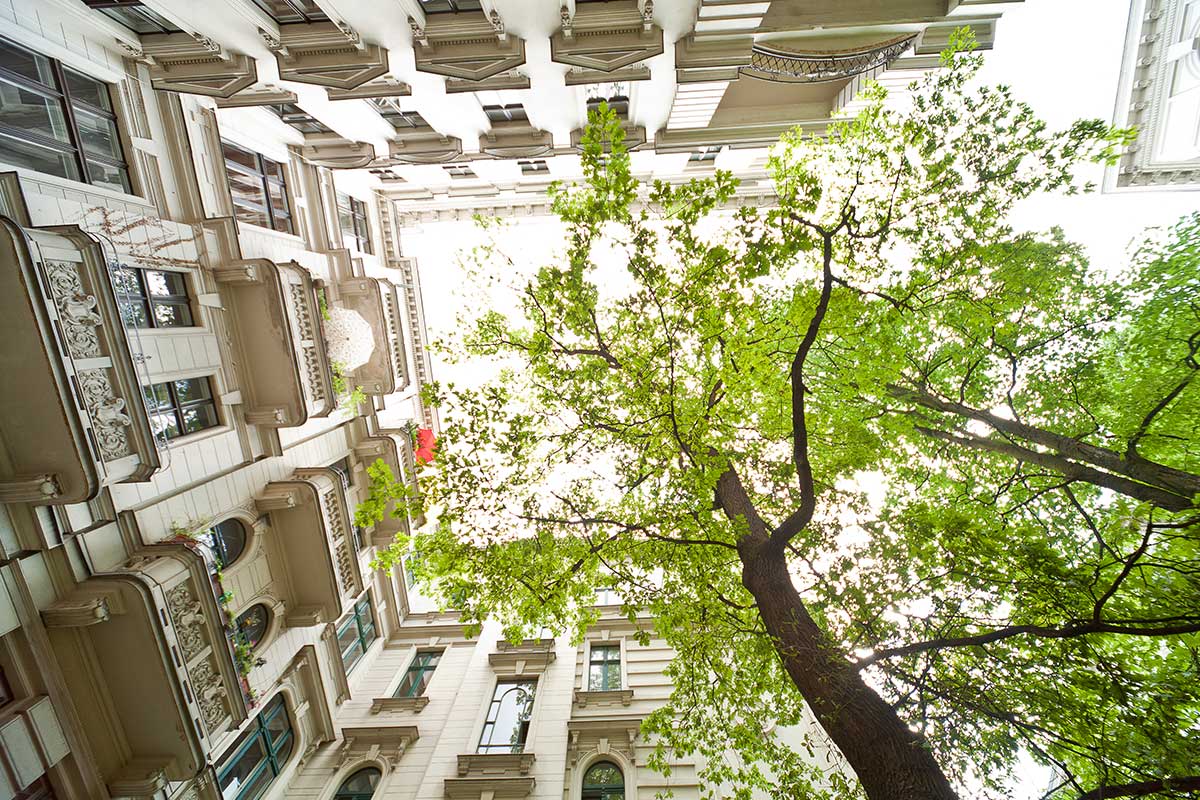
Central America: Regional strategy for community-based tourism
✎ The project
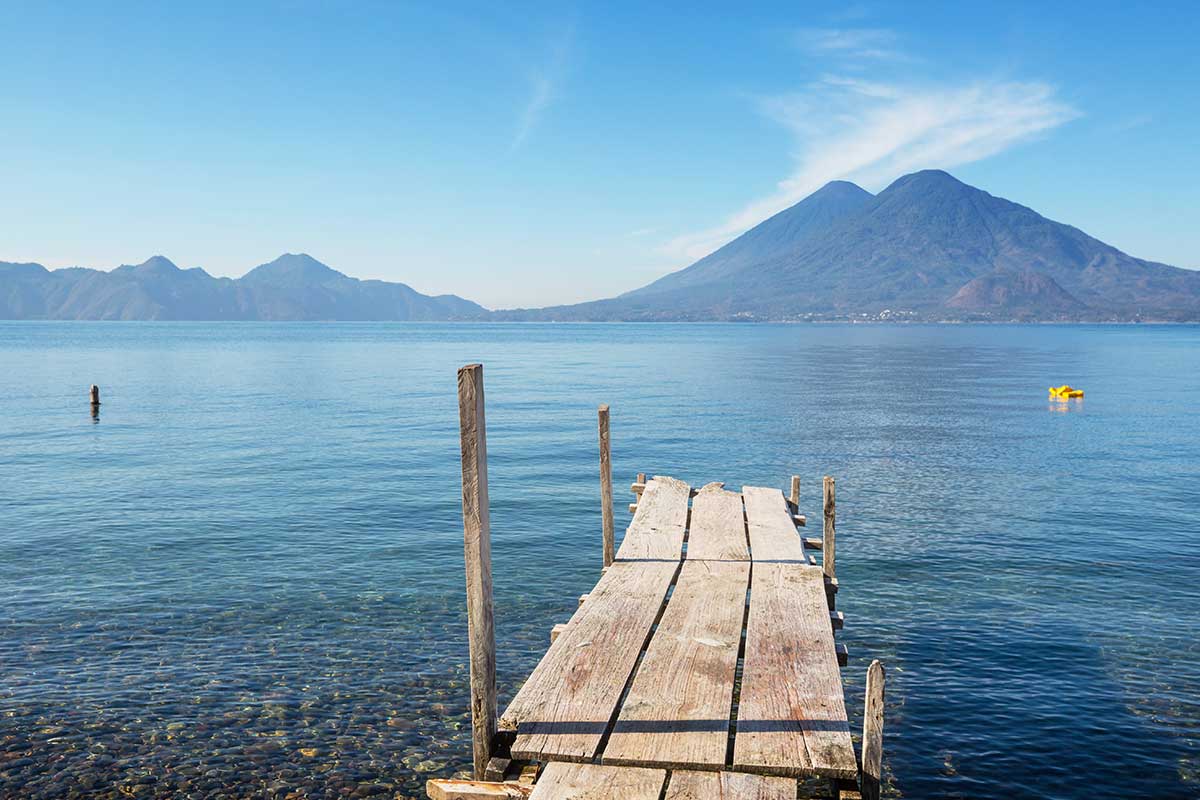
Design and development of an international promotion strategy for the regional Mayan Community Tourism project, financed by the Mundo Maya Organization. The project involved seven emblematic community-based tourism projects in Guatemala, Mexico, Belize, Honduras and El Salvador, with the objective of strengthening the economic, social and environmental sustainability of the region, while at the same time enhancing the value of its ancestral cultural heritage.
✔ Results.
In collaboration with the Plan21 Foundation and Planet4People, a comprehensive and differentiated Strategic Marketing Plan was developed for each flagship project, emphasizing cultural identity and responsible management of natural and cultural resources, and including training for community leaders in its implementation. The strategy contributed to increasing the international visibility of the community projects, thus positioning community tourism as a key tool for sustainable development and the conservation of cultural heritage.
02. Strategic marketing of tourism companies and destinations
Boutique Hotel in Central Europe: Leading position in the luxury segment
✎ The project
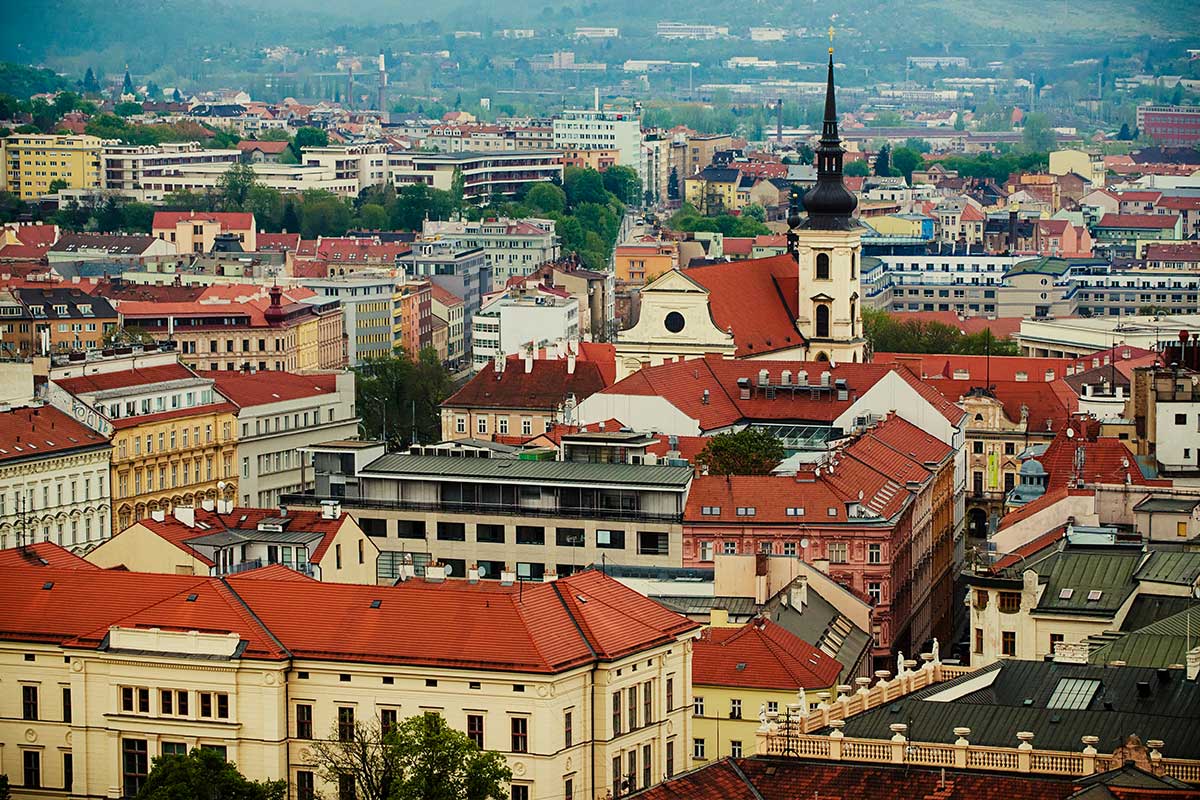
Development and execution of the marketing strategy for the Comsa Brno Palace Hotel (currently Grand Palace Brno), located in the city of Brno (Czech Republic), in collaboration with GAT Hospitality. The objective was to build a solid and differentiated identity, adapted to its urban and cultural environment, to position it as a reference in the luxury segment in the city and in the country.
✔ Results.
Design and execution of the marketing, commercialization and promotion strategy, aligned with the brand’s values and aimed at attracting a national and international audience in the luxury segment. In addition, key actions in communication, sales and public relations were supervised to ensure a coherent, exclusive and competitive narrative. The project strengthened its presence in the market, consolidating its positioning as a flagship hotel in the region.
02. Strategic marketing of tourism companies and destinations

Research project: Development of a hotel brand conceived and designed for the Millennial segment.
✎ The project
Applied research developed in collaboration with the Universidad Rey Juan Carlos (URJC), with the objective of conceptualizing a new hotel brand aimed at the Millennial public. The study focused on understanding the values, aspirations and consumption habits of this generation in order to design an authentic, differentiated value proposition connected to the new social and cultural demands of contemporary tourism.
✔ Results.
The main factors influencing Millennial travelers’ decisions were identified, such as the search for authenticity, commitment to sustainability, experiential design, integrated technology and connection with local communities. Based on these findings, the most effective brand attributes, narrative, and communication and marketing strategies for this niche were defined. The project culminated in the creation of an innovative hotel product concept, consistent with emerging market trends and sustainably managed across all hotel operations, including differentiating gastronomy.
02. Strategic marketing of tourism companies and destinations
Community-based eco-lodging: Sustainable brand design and strategic development.
✎ The project
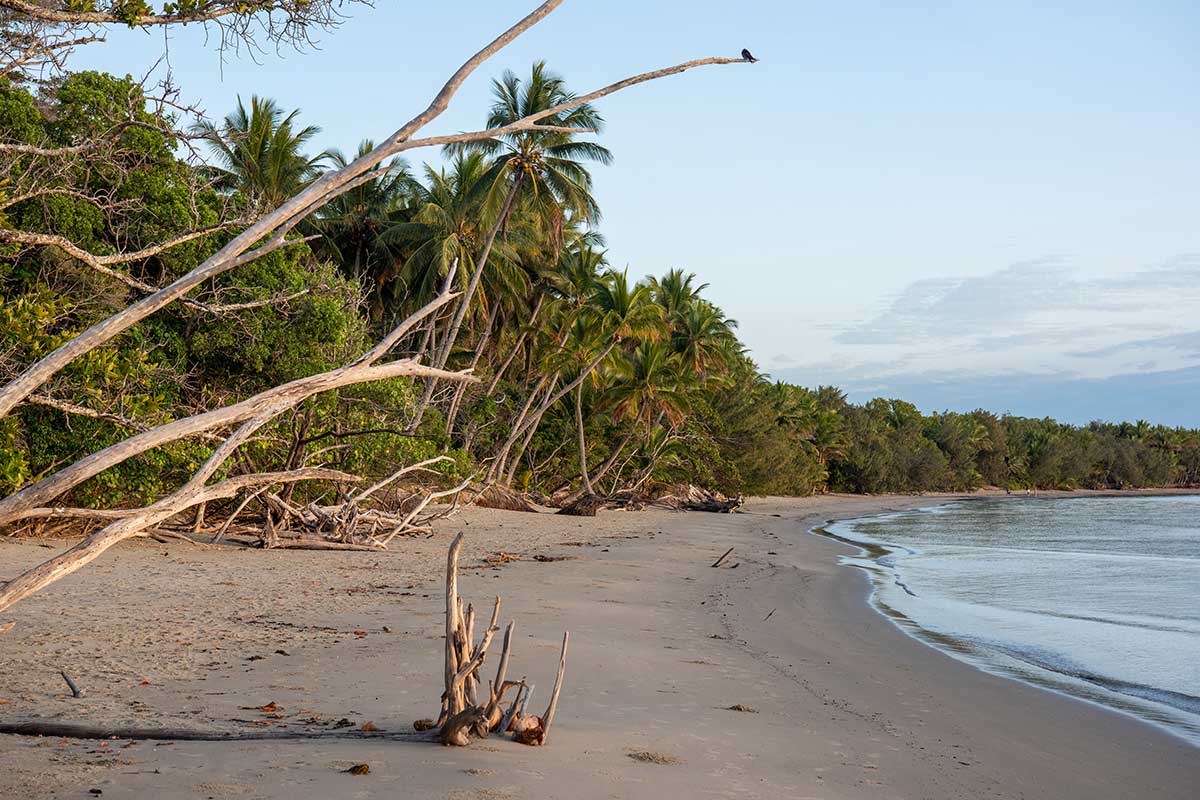
Design of the strategic marketing plan for Alma Nativa, a community-based ecological lodging project located on Popoyo beach, on the Pacific coast of Nicaragua. The initiative was based on the desire to generate a tourism experience consistent with the values of the territory, the local community, cultural identity and environmental commitment.
✔ Results.
The project’s value proposition was developed, integrating key elements such as authenticity, connection with nature and respect for the community and local culture. From this base, a purposeful brand was created, centered on principles of sustainability and community empowerment. The marketing plan included positioning strategies, definition of target audiences and appropriate communication channels to attract a conscious and responsible traveler profile.
02. Strategic marketing of tourism companies and destinations

Research project: Regional recommendations on tourism biosecurity in the context of the pandemic.
✎ The project
Participation as a researcher in the international project developed by the Universidad Rey Juan Carlos (URJC) for the Instituto para la Calidad Turística Española (ICTE), financed by the Inter-American Development Bank (IDB). The objective was to develop regional recommendations for the creation and implementation of biosecurity protocols to facilitate the reactivation of tourism in Latin America and the Caribbean after the impact of COVID-19.
✔ Results.
A technical document was developed with strategic and operational guidelines for public and private organizations, adapted to the cultural, health and economic realities of Latin American countries. The work combined academic rigor, territorial approach and practical feasibility, contributing to the safe recovery of the tourism sector through common standards that balance safety, traveler experience and sustainability. The project provided useful tools for facing future crises with greater resilience.
02. Strategic marketing of tourism companies and destinations
Spanish hotel chain: Leadership and values for sustainability
✎ The project
Applied research conducted for My Way Meaningful Hotels (currently My Way Hotels & Resorts), with the objective of identifying and articulating organizational values that identify sustainable leadership and drive organizational cultural transformation. The project was developed with the support of the Universidad Rey Juan Carlos (URJC) and was published in Sustainability magazine.
✔ Results.
A theoretical-practical framework was built to align the organization’s values with ecosophical principles, favoring ethical decision-making, internal commitment and a long-term vision. The research offered applicable tools to foster a conscious and coherent leadership with sustainability objectives, contributing to the development of resilient corporate cultures, aligned with the 2030 Agenda and the triple positive impact.
03. Leadership, values for sustainability and ecosystem transition.

Research project: Analysis of public policies that facilitate the development of Fourth Sector Enterprises.
✎ The project
The objective of this research project developed with the support of the Universidad Rey Juan Carlos was to rethink the role of companies in the 21st century, and how public policies can play a leading role in supporting Fourth Sector organizations and in the configuration of more sustainable territories oriented towards the well-being of the people and communities that live in them.
✔ Results.
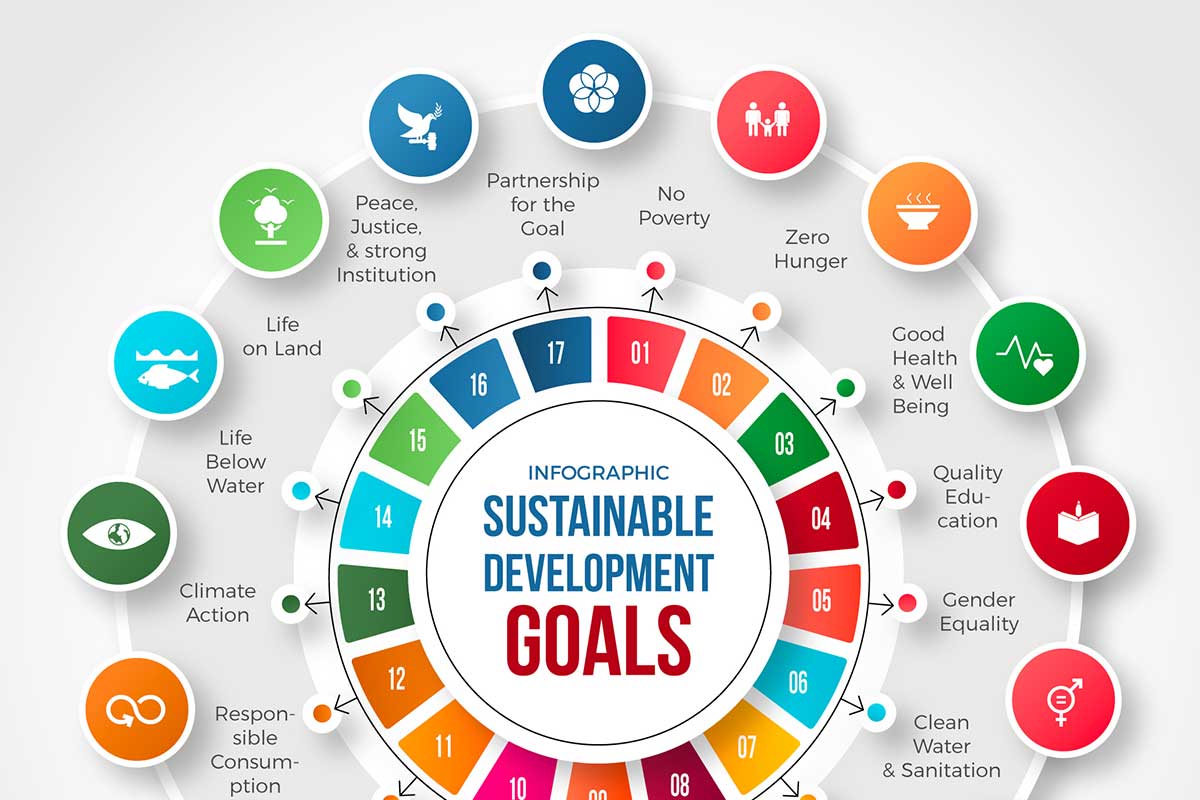
The research, published in the journal Sustainability, proposes a new narrative based on wellbeing as the axis of sustainable development centered on people and planet. It identified the need to overcome fragmented approaches in policy formulation, proposing an integrated framework in which the well-being of people, communities and ecosystems is the central objective. Four key dimensions were defined that should be articulated under a shared territorial vision. The research provides strategic guidelines for the design of regenerative, context-sensitive public policies aligned with the Sustainable Development Goals (SDGs), adding value to both institutional practice and community action so that 21st century companies can bring economic, social and environmental prosperity to the territory where they operate.
03. Leadership, values for sustainability and ecosystem transition.
Spanish hotel chain: Elaboration of a strategic business plan with experiential and sustainable focus
✎ The project
Development of the business plan for a new hotel chain, structured around four strategic axes: sustainable management, branding, experience-based brand categorization and innovative distribution. This project stood out for the visionary leadership of the people behind it, who opted for a transformational model when sustainability was just beginning to be incorporated into the Spanish tourism sector, overcoming superficial approaches and positioning themselves as a benchmark for responsible innovation. The proposed brand strategy, My Way, was finally adopted as the name of the new hotel company.
✔ Results.
The business plan developed provided a clear and coherent framework to guide the consolidation and subsequent growth of the chain, integrating sustainability as a transversal axis and competitive differentiator. The foundations were laid for an experiential and authentic tourism offer that connects with the local natural and cultural heritage, generating shared value for clients, communities and territory. The branding and marketing strategy facilitated market penetration. This project demonstrated how committed leadership can drive profound changes in organizational culture and business value proposition.
03. Leadership, values for sustainability and ecosystem transition.


Training for sustainable and regenerative leadership: Training of leaders and professionals in the sector.
✎ The project
The training of leaders capable of promoting sustainable and regenerative models is a key element in driving the transition that our tourism sector needs. Within this framework, I have the opportunity to collaborate periodically as a lecturer in postgraduate programs at the Universidad Rey Juan Carlos (Madrid, Spain), the Universidad para la Cooperación Internacional (San José, Costa Rica) and the Universidad de Castilla-La Mancha (Cuenca, Spain). I also regularly participate as a facilitator and lecturer in academic institutions in Spain and Latin America, such as the University of Deusto, University of Valencia, Universidad del Caribe (Mexico), Instituto Tecnológico de Costa Rica, as well as in international congresses and forums held in cities such as Malaga, Tenerife, San Diego, Chicago or Cochabamba, among others.
✔ Results.
Through classes, workshops, training cycles, mentoring and conferences, I have accompanied professionals, leaders and entrepreneurs in their process of developing skills and building their own corporate purpose aligned with sustainability. This work allows me to disseminate the ecosystemic values and the ecosystemic vision and commitment to the well-being of people, communities and the planet.
03. Leadership, values for sustainability and ecosystem transition.
